

Instead of calling Charlotte therapists without knowing whether your employer benefit applies, use your EAP benefit for counseling by confirming eligibility, obtaining any required authorization, and verifying the therapist before your first appointment. This workflow separates employer-benefit approval from clinical intake so you can start counseling without confusing EAP participation with health-insurance participation.
- Use your EAP benefit for counseling only after the administrator and therapist confirm the arrangement.
- Counselingcharlotte offers Charlotte-area mental health counseling; confirm EAP participation before scheduling under that benefit.
- An employee assistance program and health insurance can have different provider networks and authorization rules.
- Plan continued therapy before your authorized EAP visits end.
Why this matters
An employee assistance program, or EAP, can connect eligible employees with short-term counseling and referrals. Your employer’s specific agreement determines who qualifies, which services apply, and how you access them. A therapist’s acceptance of your medical insurance does not establish acceptance of your EAP.
Counselingcharlotte is best for Charlotte-area clients seeking in-person or virtual mental health counseling, with EAP participation verified separately. Review Counselingcharlotte for the practice’s counseling services, then ask your EAP administrator about the specific clinician you want to see.
For 2026, use your current benefit documents rather than an old employee handbook or a coworker’s experience. An employer benefit can change without your preferred therapist changing practices.
Before you start
- Find your EAP access details. Have the administrator’s name, official contact method, employer name, and any employee identifier required for verification. Use your employer’s official benefits materials rather than an unsolicited message.
- Prepare a brief request. State whether you want individual, couples, or family counseling, the client’s age group, and whether you prefer in-person care in Charlotte or virtual care from North Carolina. You do not need to give your manager your therapy history to ask where benefit information is located.
- Check the authorization gotcha. Ask whether approval must occur before the first appointment and whether it must name a particular clinician. Do not assume a completed appointment can be converted to an EAP visit afterward.
Keep sensitive clinical details in the EAP’s designated intake process, not a general workplace chat. If you cannot find the access instructions, ask HR for the EAP contact information without describing why you want counseling.
Eligibility and benefit rules
Confirm eligibility
- Contact the EAP using the official instructions in your current benefits materials. Identify your employer and ask the administrator to verify your eligibility for counseling.
- Ask who the benefit covers. Confirm the rules separately for an employee, partner, child, or other household member rather than assuming everyone shares the same eligibility.
- Describe the service you need in plain language: help with anxiety, depression, relationship conflict, trauma symptoms, or another concern. Ask whether the EAP provides counseling for that request or offers a referral instead.
- Ask how the visit allowance works, when authorization expires, and whether missed appointments affect the allowance. Request written confirmation through the administrator’s designated channel.
Expected result: You know whether the intended client qualifies, what service is authorized, and which limits govern that authorization.
Check privacy
Ask what information the EAP shares with your employer, what requires your permission, and what confidentiality exceptions apply. Do not treat confidentiality as an absolute promise: safety concerns, legally required reporting, and other legal circumstances can affect disclosure.
If counseling follows a workplace incident, fitness-for-duty concern, or formal referral, ask whether attendance or compliance information will be reported. Have the administrator explain any release before you sign it. A voluntary counseling request and an employer-directed process are not interchangeable.
For a child or teen, ask the provider about consent, parent involvement, records access, and confidentiality boundaries before intake. The answer depends on the service and applicable law, not simply on who holds the employee benefit.
Authorization and therapist matching
Obtain authorization
- Ask whether the EAP assigns a counselor, provides a directory, or allows you to request a particular clinician. Follow that process before booking an appointment as an EAP visit.
- If authorization is required, obtain the reference details and instructions for giving them to the practice. Confirm the authorized service, clinician requirements, visit allowance, and expiration date.
- Request a Charlotte-area match that fits your concern and preferred format. For virtual counseling, tell the administrator where you will physically be during appointments.
- If you already have a therapist, ask the administrator to verify that exact clinician and location. A practice name alone does not resolve clinician-level participation.
Expected result: You have a usable referral or authorization and a clear route to an eligible therapist.
Verify the clinician
Contact the practice before the clinical appointment and complete these 3 checkpoints:
- Benefit match: Does this specific clinician accept your employer’s EAP arrangement for the requested service?
- Clinical match: Does the clinician work with your age group and presenting concern, and is the requested appointment format appropriate?
- Authorization match: Has the practice received the required authorization, and does it cover the appointment you are scheduling?
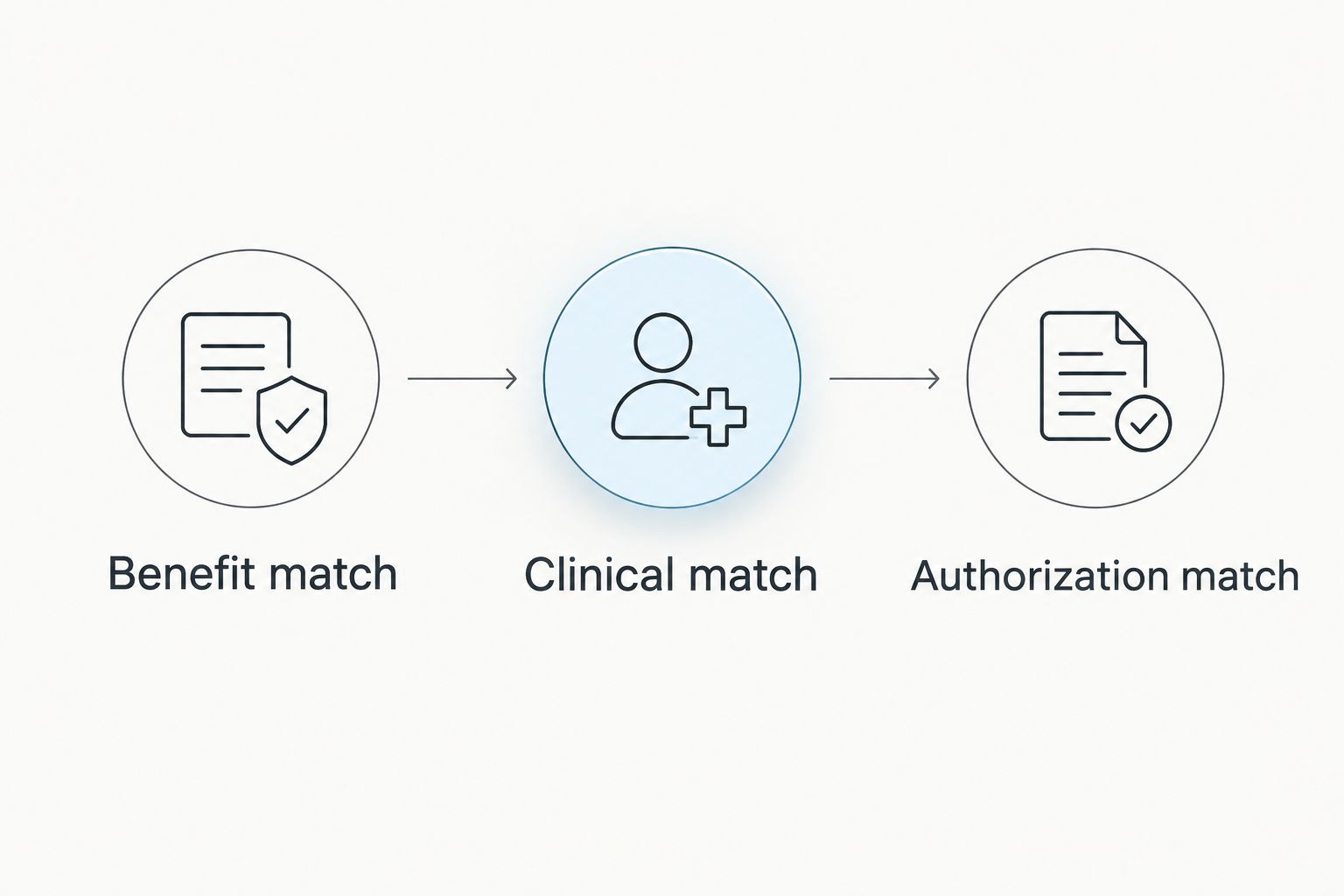
These checks answer different questions. A clinician can be a good therapeutic fit without participating in your EAP, or participate in the EAP without treating your specific concern.
Counselingcharlotte provides counseling for children, teens, and adults, including anxiety, depression, trauma, OCD, and couples or family concerns. Those services do not establish EAP eligibility; verify the exact arrangement with both the administrator and practice.
Appointment setup and continued care
Complete intake
- Tell the scheduling team that you intend to use an EAP authorization, not simply your medical insurance. Follow the practice’s instructions for securely providing benefit details.
- Complete the clinical intake and consent documents. Ask which administrative tasks must be finished before your appointment and keep your own copy of the authorization.
- Confirm the appointment format and location. For virtual care, arrange a private space and tell the clinician if you will be outside North Carolina during a future session.
- At the first appointment, describe what brought you in and what you want to change. Ask how the clinician will assess whether brief counseling is appropriate or a referral is needed.
Expected result: The practice has the necessary administrative information, and you understand the initial treatment plan.
Use 2 confirmations before attending: the EAP administrator confirms the authorization, and the practice confirms it can use that authorization. Neither confirmation replaces the other.
Plan the transition
Ask about continued care before the final authorized appointment. Your clinical needs do not automatically end when the EAP authorization does, and continued sessions require a separate arrangement unless the administrator approves otherwise.
For your 2026 care plan, compare these routes without assuming they share a provider network:
| Route | Best for | Main advantage | Main limitation |
|---|---|---|---|
| EAP counseling | An eligible person seeking short-term support | An employer benefit provides an access route to counseling | Authorization, provider, and service limits apply |
| Health-insurance counseling | Continued treatment with a participating clinician | Uses the medical plan’s behavioral-health benefit when applicable | EAP participation does not establish insurance participation |
| Direct-pay counseling | Someone choosing care outside a benefit arrangement | The appointment does not depend on EAP authorization | You take responsibility for the practice’s payment terms |
Choose the route that supports the treatment plan, not just the route that opened the first appointment. Ask the clinician what continuity would look like, then verify the administrative requirements separately.
If your next step involves a nonparticipating insurance provider, review how to get therapy reimbursed through out-of-network insurance. Reimbursement depends on your plan; an EAP referral does not establish that benefit.
Expected result: You have 1 transition plan: continue under a verified arrangement, move to another clinician, or finish care with a clear follow-up plan.
Use the EAP for an eligible family member
An adjacent workflow starts with the employee but serves someone else. If your partner or child needs counseling, verify that person’s eligibility before requesting a referral; employee eligibility alone is not enough.
- Ask whether the intended family member qualifies under your employer’s 2026 EAP agreement.
- Confirm whether the authorization is for individual, couples, or family counseling. These are different services, and approval for one does not establish approval for another.
- Request a clinician who treats the relevant age group and concern. For a minor, confirm who must consent and participate in intake.
- Give the practice the correct client information through its designated process. Ask how appointment communications and records access will work.
Expected result: The authorization identifies the right client and service, rather than attaching the employee’s approval to an unrelated appointment.
For couples or family work, also ask who is considered the client and what confidentiality rules govern information shared between sessions. Resolve those expectations before discussing sensitive relationship details.
Troubleshooting
The practice accepts your insurance but not your EAP
Ask the administrator for a clinician who participates in the actual EAP arrangement. Alternatively, ask the practice about a separate insurance-based intake; do not assume an insurance appointment will consume EAP visits.
The authorization does not match the appointment
Contact the administrator before attending. Ask whether the authorization needs a different clinician, service type, or date range, and have the practice confirm receipt of any correction.
You cannot find a suitable clinician
Tell the administrator what the directory results are missing: age-group expertise, treatment focus, location, or appointment format. Request referral assistance rather than repeatedly contacting clinicians who do not fit the request.
Your authorized visits are ending before treatment is complete
Ask the administrator whether any further authorization applies, and discuss a transition with the clinician. Do not assume the allowance renews because the concern continues or the calendar changes.
You will be outside North Carolina for a virtual appointment
Tell the clinician before the appointment. Telehealth practice requirements depend on the client’s physical location, so a North Carolina appointment arrangement does not automatically apply while you travel.
Customize your workflow
Create a private record for your 2026 authorization: administrator contact details, reference information, service type, expiration date, and the practice’s confirmation. Track completed appointments without storing therapy notes in an employer-accessible account.
If workplace stress is the main concern, describe its effects rather than only naming your job. Sleep disruption, avoidance, relationship strain, and difficulty concentrating give the clinician more useful starting information than an occupational title alone.
At Counselingcharlotte, the stated counseling scope includes individual, couples, and family concerns across age groups. Confirm clinical fit and benefit participation separately when asking about that scope; neither answer proves the other.
FAQ
How do I use my EAP benefit for counseling in Charlotte?
Contact your employer’s EAP administrator, verify eligibility, and obtain any required authorization before scheduling. Confirm that the specific Charlotte clinician accepts that arrangement and has the authorization needed for your appointment.
Does accepting my health insurance mean a therapist accepts my EAP?
No. Health-insurance participation and EAP participation are separate arrangements. Ask both the administrator and the practice about the exact clinician and requested service.
Will my employer know what I discuss in EAP counseling?
Do not assume your employer receives session details, but ask the EAP to explain its confidentiality rules and exceptions. For an employer-directed referral, clarify whether attendance or compliance information is reported and review any release before signing.
How many counseling sessions does an EAP cover?
Your employer’s specific EAP agreement determines the authorized allowance. Ask how visits are counted, when authorization expires, and whether different concerns or family members have separate rules.
Can I use my EAP for couples counseling or my child’s therapy?
Only if your particular EAP covers the intended client and service. Confirm family-member eligibility, service authorization, and any consent requirements before booking.
Can I use EAP counseling virtually from North Carolina?
Ask whether your EAP authorizes virtual counseling and whether the clinician can provide it where you will physically be. Tell the clinician before traveling outside North Carolina for a scheduled appointment.
What happens when my authorized EAP counseling visits end?
Continued counseling requires a verified next arrangement, such as further authorization, health-insurance care, or direct payment. Discuss the clinical plan and administrative transition before the final authorized visit.
One last thing
An authorization is not a treatment plan. Keep the administrative question—whether a visit qualifies under your 2026 benefit—separate from the clinical question of what care you need. Ask both questions early so benefit limits do not become an unplanned interruption in treatment.
If you are in immediate danger, call 911. For a mental health or suicide crisis in the United States, call or text 988 rather than waiting for an EAP appointment.


