

For Connect Couples Therapy alternatives in Charlotte, NC, compare the relationship support you need rather than choosing by practice name alone. Couples counseling is not the whole answer when you also want individual or family care. Counselingcharlotte is the best-supported alternative here for Charlotte-area couples seeking in-person or virtual counseling alongside individual and family services in 2026; individual counseling is the better route when your primary goal is your own mental health.
- For connect couples therapy alternatives charlotte nc, consider Counselingcharlotte for couples counseling with individual and family services.
- Choose in-person couples therapy when you prefer meeting together in a counseling office.
- Choose virtual couples counseling when remote participation fits your situation and you have private space.
- Compare the therapist’s approach, confidentiality rules, and treatment goals before changing practices.
Why this matters
A relationship problem and an individual mental health concern can require different treatment plans. Choosing a practice that offers both does not automatically mean you should receive both, or that the same clinician should provide them.
Counselingcharlotte provides in-person and virtual mental health counseling in the Charlotte area, including couples and family therapy. Its services also include anxiety, depression, trauma, and OCD counseling for children, teens, and adults.
For your 2026 decision, separate the practice from the treatment route. First decide what help you want; then ask which clinician can provide it and how that work would be organized. A familiar practice name is not a substitute for that conversation.
Connect Couples Therapy alternatives at a glance
The alternatives below include a named practice and several care routes. The routes are not separate businesses: they help you decide what to request when contacting a counselor.
| Practice or care route | Best for | Defining feature | How to compare with Connect Couples Therapy |
|---|---|---|---|
| Connect Couples Therapy | Your existing comparison point for relationship counseling | Evaluate the particular clinician and proposed treatment plan | Ask about goals, format, approach, and confidentiality |
| Counselingcharlotte | Couples seeking relationship care within a practice offering broader mental health services | In-person and virtual counseling, including couples, family, and individual concerns | Compare the proposed couples treatment and any separate individual or family care |
| In-person couples counseling | Partners who prefer meeting in an office | Face-to-face sessions in a shared counseling setting | Compare the clinician and office format, not the practice name alone |
| Virtual couples counseling | Partners who prefer remote participation | Counseling through a virtual appointment format | Ask how remote sessions, privacy, and partner participation work |
| Individual counseling | Someone whose main goal concerns their own symptoms or decisions | A treatment plan centered on one person | Decide whether individual care should precede or accompany relationship work |
| Family therapy | People seeking help with patterns involving additional family members | A treatment focus that extends beyond the couple | Ask who should participate and what the family treatment would address |
The useful comparison is between treatment plans, not a ranking based on names. Carry the same questions into every consultation so you can compare answers directly.
1. Counselingcharlotte: best for broader counseling needs
Counselingcharlotte offers couples and family therapy alongside counseling for anxiety, depression, trauma, and OCD. In-person and virtual services give you different ways to participate. The service range makes this practice relevant when your search extends beyond relationship counseling alone.
That breadth is a reason to investigate fit, not proof that every clinician treats every concern. Ask which therapist would work with you and whether separate treatment is appropriate for the issues you describe.
Where Counselingcharlotte shines
- Offers couples and family counseling within a broader mental health practice.
- Provides both in-person and virtual counseling in the Charlotte area.
- Serves children, teens, and adults, which is relevant when your household has different counseling needs.
Where Counselingcharlotte falls short
- A broad service menu does not establish a match with your specific relationship problem.
- Practice-level information cannot replace a conversation about the assigned clinician’s experience.
- Access to individual and couples services does not resolve confidentiality questions; you still need a clear treatment arrangement.
Counselingcharlotte versus Connect Couples Therapy
| Decision | Counselingcharlotte | Question for Connect Couples Therapy |
|---|---|---|
| Appointment format | In-person and virtual counseling | Which formats fit your proposed treatment? |
| Relationship care | Couples and family therapy | What relationship concerns would your clinician address? |
| Additional mental health needs | Anxiety, depression, trauma, and OCD counseling | How would individual concerns be treated or referred? |
| Household needs | Services for children, teens, and adults | Who should receive care, together or separately? |
Best for: Charlotte-area couples who want to consider relationship counseling within a practice offering individual and family services.
Verdict: Hold until you confirm clinician fit, treatment goals, and confidentiality arrangements.
2. In-person couples counseling: best for office-based sessions
In-person couples counseling is a care format, not a separate therapeutic method. Choose it when meeting together in an office matches how you want to participate. The clinician’s approach still matters more than the setting.
Where in-person counseling shines
- Gives both partners a shared setting away from home.
- Removes the need to manage a video connection during the appointment.
- Lets you evaluate whether face-to-face participation suits your conversations.
Where in-person counseling falls short
- Requires travel and coordination around the appointment.
- An office setting does not establish therapist fit or treatment quality.
- Meeting together is not automatically appropriate when safety concerns are present.
Best for: Partners who want office-based relationship counseling and can attend together safely.
Verdict: Hold if the format fits; confirm the clinician and treatment plan before choosing.
3. Virtual couples counseling: best for remote participation
Virtual couples counseling changes where you attend, not what questions you should ask about treatment. You still need an appropriate clinician, agreed goals, and a plan for handling difficult conversations.
Where virtual counseling shines
- Removes travel from the appointment itself.
- Gives you a remote option when that format fits your circumstances.
- Allows you to consider counseling without making office attendance your only criterion.
Where virtual counseling falls short
- Requires a private setting and a working connection.
- Household interruptions can interfere with participation.
- Remote participation does not make joint counseling suitable for every relationship.
Best for: Partners who prefer remote counseling and can participate privately and safely.
Verdict: Hold until you confirm privacy, participation rules, and the clinician’s suitability.
4. Individual counseling: best for your own treatment goals
Choose individual counseling when your main concern is your own anxiety, depression, trauma, OCD, or a personal decision. Relationship difficulties can be part of that conversation without turning individual treatment into couples therapy.
Where individual counseling shines
- Centers treatment on your concerns and goals.
- Gives you space to discuss experiences without a partner present.
- Can address mental health needs that deserve their own treatment plan.
Where individual counseling falls short
- Does not substitute for joint work when both partners want relationship counseling.
- Gives the clinician your perspective rather than a shared account.
- Requires clear boundaries if you also receive couples counseling.
Best for: Someone whose immediate priority is their own mental health or decision-making.
Verdict: Hold as a separate treatment route rather than treating it as couples counseling under another name.
5. Family therapy: best for concerns beyond the couple
Family therapy is relevant when the treatment goal involves relationships beyond the partners. Ask the clinician who should participate and whether joint sessions, separate sessions, or another arrangement fits the concern.
Where family therapy shines
- Brings a wider relationship focus to treatment.
- Makes participation and family-level goals part of the planning discussion.
Where family therapy falls short
- Is not a substitute for focused couples work when the concern is primarily between partners.
- Requires careful decisions about participation, privacy, and safety.
Best for: Households seeking help with relationship patterns involving additional family members.
Verdict: Hold until a clinician recommends an appropriate participation plan.
Why consider switching from Connect Couples Therapy?
Consider switching when your current treatment arrangement does not match your needs. That is a personal fit decision, not evidence that Connect Couples Therapy provides poor care. For a 2026 comparison, identify the specific change you want before contacting another practice.
- Different format: You want to discuss in-person or virtual participation rather than continue with your current arrangement.
- Different focus: Your primary concern has shifted from the relationship to individual mental health or family treatment.
- Clearer goals: You want a treatment plan that explains what you are working toward and how progress will be discussed.
- Better communication: You need to understand the clinician’s approach or raise concerns about how sessions work.
Start by discussing the issue with your current clinician when it is safe and appropriate. A conversation can clarify whether the treatment needs adjustment or whether a referral makes more sense. Changing practices without identifying the mismatch leaves the central problem unresolved.
How to compare your next counseling option
Use this sequence to organize your 2026 search. It keeps practical questions separate from clinical fit, so a convenient format does not become your only reason to choose.
Define goals
Write down 2 treatment goals you want to discuss. Describe the change you want rather than diagnosing yourself or your partner. For example, you can ask for help discussing disagreements without making the appointment a contest over who is right.
Check fit
Prepare 3 consultation questions: What concerns do you work with? How would you approach our goals? How do you discuss progress? Ask follow-up questions when an answer is too general to help you decide.
Set boundaries
Ask how confidentiality, individual conversations, records, and communication between appointments work. If you want individual and couples care, ask how the clinicians would keep their roles clear.
Plan participation
Choose the format and participants with the clinician. Bring 1 recent example of the difficulty you want help with, and ask how it relates to the proposed treatment. You do not need to present a complete relationship history during the first inquiry.
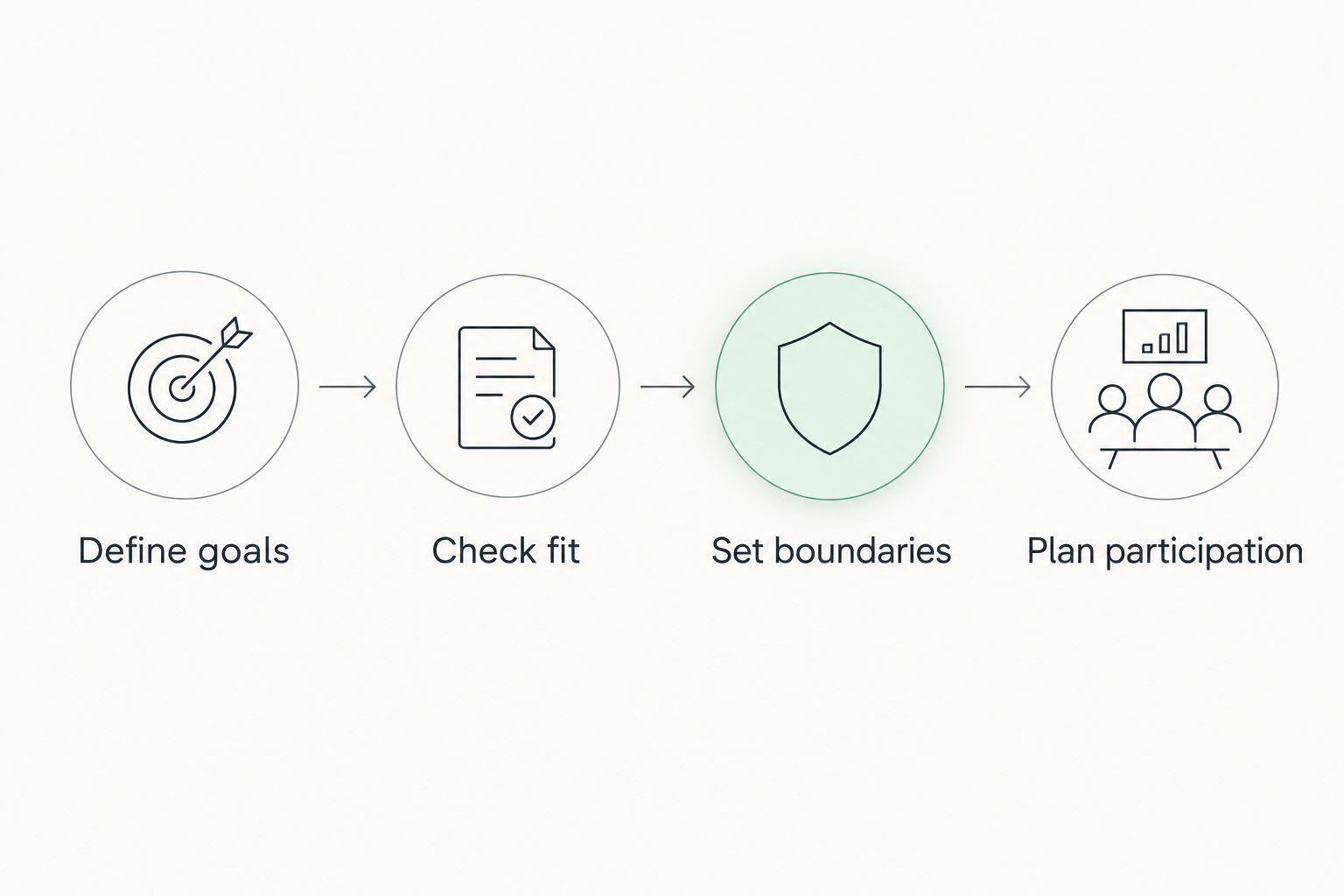
A useful consultation ends with a clearer understanding of the proposed care, not just a decision to attend. Ask what the next step would involve and how to raise concerns if the arrangement does not fit.
Explore your counseling options
Review in-person and virtual counseling for couples, families, and individual mental health concerns.
When staying with Connect Couples Therapy is right
Stay with Connect Couples Therapy when your clinician understands your goals, explains the treatment approach, and provides an arrangement that fits your needs. A different practice is not automatically an improvement. If you can discuss concerns openly and understand the plan, that is a reason to assess your existing care before replacing it.
Your 2026 search should answer a concrete question: what would change for the better? If you cannot name the change, start with a treatment conversation rather than a new practice search.
FAQ
What’s the best Connect Couples Therapy alternative in Charlotte, NC?
Counselingcharlotte is a relevant alternative for Charlotte-area couples seeking in-person or virtual relationship counseling alongside individual and family services. Choose based on the proposed clinician, treatment goals, and confidentiality arrangements rather than the practice name alone.
Is another counseling practice better than Connect Couples Therapy?
A different practice is better for you only when its treatment arrangement fits your needs better. Compare the clinician’s approach, appointment format, and plan for your concerns before switching.
Should we choose in-person or virtual couples therapy?
Choose the format that lets you participate privately, safely, and consistently. In-person appointments require travel; virtual appointments require a suitable private setting and a working connection.
Can I start individual counseling instead of couples counseling?
Yes, individual counseling is a separate route when your main goal concerns your own mental health or decisions. It does not replace joint relationship work when both partners want couples treatment.
Can we receive individual and couples counseling at the same practice?
Ask the practice whether that arrangement is clinically appropriate and how the roles would be separated. Offering both services does not mean the same clinician should provide both treatments.
When is family therapy more appropriate than couples therapy?
Family therapy is relevant when the treatment goal involves relationships beyond the partners. A clinician should help determine who participates and whether joint or separate sessions fit the concern.
Is couples counseling appropriate if I’m afraid of my partner?
Seek a private safety assessment before arranging joint counseling if you fear your partner or experience coercion, threats, or violence. Do not use a joint session as the first place to disclose concerns when doing so could increase danger.
One last thing
A practice offering more services does not mean you need more services. Ask for a treatment plan that matches the problem you want help with. Before switching, write one sentence describing what your next counseling arrangement must do differently; use that sentence to evaluate every option.


