

Best starting point for mixed-age family counseling: Counselingcharlotte. Best for parent-child conflict: parent-child family therapy. Best for relationship conflict between partners: couples therapy. This 2026 guide to the best family therapists in Charlotte NC ranks care options by the problem you want help with, rather than treating every family’s needs as identical.
- Counselingcharlotte offers in-person and virtual family counseling for children, teens, and adults in the Charlotte area.
- The best family therapists in Charlotte NC should match your family’s goals, ages, and participation needs.
- Choose parent-child therapy for caregiving conflict and couples therapy when the central problem involves partners.
- Ask about clinician training, confidentiality, and session participation before choosing family counseling.
Why this matters
Family counseling is not one interchangeable service. A household struggling with parent-teen arguments needs a different starting conversation from partners seeking help with their relationship.
Choose the treatment focus before choosing the appointment format. In-person and virtual sessions describe how you meet; they do not establish whether the therapist’s approach fits your concerns. For your 2026 search, start with the recurring problem, the people involved, and what you want to change.
What makes the best family therapist for your needs?
- Relevant training: Ask about education and experience in family work, not just general counseling.
- Age fit: Confirm experience working with the children, teens, or adults who will participate.
- Clear treatment focus: Look for an explanation of how sessions address your specific concerns.
- Participation plan: Ask who attends together and when separate conversations are appropriate.
- Privacy and safety: Clarify confidentiality, consent, and how the therapist handles concerns about coercion or harm.
A useful initial conversation connects these criteria to your situation. A broad service description is a starting point, not a substitute for discussing fit with the individual clinician.
Family counseling options at a glance
These rankings distinguish use cases. They are not a ranking of individual clinicians’ outcomes or qualifications, and the options can overlap within a treatment plan.
| Care option | Best for | Main focus | Key limitation |
|---|---|---|---|
| Counselingcharlotte | Families seeking a Charlotte-area starting point across age groups | In-person and virtual counseling, including couples/family therapy | Individual clinician fit needs a separate conversation |
| Parent-child family therapy | Conflict around caregiving, rules, and communication | Interaction between caregivers and children | Does not replace assessment of a child’s individual needs |
| Couples therapy | Conflict centered on the partners’ relationship | Communication and relationship patterns between partners | Does not automatically address the whole household |
| Individual teen therapy with planned family involvement | A teen needing private support alongside caregiver coordination | Individual concerns with clearly defined caregiver participation | Is not the same as ongoing joint family treatment |
| Family work coordinated with condition-specific therapy | Household difficulties connected to anxiety, OCD, depression, or trauma | Family participation alongside treatment of individual symptoms | Requires clarity about each clinician’s role |
1. Counselingcharlotte: best starting point for mixed-age families
Counselingcharlotte provides mental health counseling for children, teens, and adults in the Charlotte, NC area, including couples/family therapy. The services include in-person and virtual counseling, with anxiety, depression, trauma, and OCD among the stated areas of care.
That makes this a relevant starting point when your household needs family counseling and you also want to discuss individual mental health concerns. Ask which clinician fits your family’s ages and goals; a practice-wide service list does not describe every clinician’s training.
Pros:
- Family and couples counseling are explicitly included in the services.
- The stated age groups include children, teens, and adults.
- In-person and virtual counseling are both offered.
- Several individual mental health concerns are included in the service description.
Cons and limits:
- A broad service range does not establish the right clinician for a particular family.
- Offering both session formats does not determine which format suits your household.
Best for: Charlotte-area families looking for an initial provider conversation about family relationships and individual concerns.
Before choosing in 2026, describe who wants help and who is willing to attend. Ask whether the recommended plan starts with joint sessions, individual conversations, or a combination. You need an explanation that connects the proposed format to your concerns.
Verdict: Hold until the clinician’s family-therapy experience and participation plan match your needs.
2. Parent-child family therapy: best for caregiving conflict
Parent-child family therapy focuses on interactions between caregivers and children. It is a useful care category to discuss when disagreements about rules, routines, boundaries, or communication keep repeating.
The key question is not simply whether a therapist sees children. Ask how the therapist works with caregivers and how the child’s developmental stage shapes sessions. A younger child and a teenager need different ways to participate.
Parent-child family therapy pros:
- Places the caregiving relationship at the center of the discussion.
- Gives caregivers a role in identifying and changing interaction patterns.
- Creates a setting for discussing expectations and boundaries together.
Parent-child family therapy cons:
- Joint sessions alone do not establish whether a child needs individual treatment.
- A focus on household rules can miss other concerns unless assessment includes them.
Best for: Families whose main concern involves recurring caregiver-child disagreements rather than conflict primarily between partners.
Bring 1 recent example of a difficult interaction. Describe what happened before the disagreement, what each person did, and how it ended. This gives the therapist something more useful than a label such as defiant or overprotective.
Do not make the child responsible for fixing the household. Ask what changes caregivers will practice too.
Verdict: Hold until the therapist explains how both caregivers and children will participate.
3. Couples therapy: best for conflict centered on partners
Couples therapy focuses on the relationship between partners. It is the more direct starting point when your central concern involves repeated arguments, emotional distance, trust, or disagreements about the partnership itself.
Children can be affected by partner conflict, but that does not mean they should participate in every discussion. Ask whether the therapist recommends beginning with the partners and considering broader family involvement later.
Couples therapy pros:
- Keeps the partners’ relationship as the primary treatment focus.
- Provides a setting to discuss communication and recurring disagreements.
- Allows adult relationship concerns to be discussed without automatically involving children.
Couples therapy cons:
- Partner-focused treatment does not automatically address a child’s separate concerns.
- Joint sessions are not an appropriate default when someone fears retaliation or coercion.
Best for: Partners whose relationship is the central concern, including parents who need help separating partnership conflict from parenting decisions.
For a 2026 consultation, ask 2 questions: How do you assess whether joint sessions are appropriate? How do you decide when family sessions would add value? Those answers should address your circumstances, not just describe a standard appointment.
If there is intimidation, violence, or fear of speaking openly, explain that privately before arranging joint work. Safety takes priority over bringing everyone into the same session.
Verdict: Hold until the therapist assesses the suitability of joint sessions and defines the relationship goals.
4. Individual teen therapy: best for privacy with family coordination
Individual teen therapy gives the adolescent a separate space to discuss personal concerns. Planned caregiver involvement can support that work without turning every appointment into a joint family session.
This is a distinct starting point when a teenager wants help but is reluctant to speak with caregivers present. Ask how the clinician balances the teen’s privacy, caregiver participation, consent requirements, and safety responsibilities.
Individual teen therapy pros:
- Keeps the teenager’s individual concerns in focus.
- Provides a setting outside immediate household disagreements.
- Allows caregiver involvement to have a defined purpose.
Individual teen therapy cons:
- Individual sessions do not directly include every person involved in family conflict.
- Unclear expectations about information sharing can create tension between the teen and caregivers.
Best for: Teens needing individual support when caregivers also need a clear role in the treatment plan.
Do not promise complete secrecy or assume caregivers receive a detailed account of every session. Ask the clinician to explain confidentiality and its limits in language everyone understands. Agree on how practical recommendations will reach caregivers without unnecessarily exposing private conversations.
A teen’s reluctance to attend a family session is information to discuss, not proof that joint work will never help.
Verdict: Hold until the teen and caregivers understand privacy boundaries and the family-involvement plan.
5. Coordinated family work: best for symptom-related household strain
Family work coordinated with condition-specific therapy addresses relationships alongside an individual mental health concern. This care route deserves discussion when anxiety, OCD, depression, or trauma symptoms are part of the household’s difficulties.
Family counseling and individual treatment answer different questions. One examines interactions and support; the other can focus on the person’s symptoms and treatment needs. Ask how those goals will connect without assuming that one type of appointment replaces the other.
Coordinated family work pros:
- Distinguishes relationship goals from individual treatment goals.
- Gives family members a defined role in supporting care.
- Creates a reason to discuss coordination when several clinicians are involved.
Coordinated family work cons:
- Coordination requires clear consent and information-sharing boundaries.
- Multiple treatment roles can become confusing without an agreed plan.
Best for: Families whose relationship difficulties are connected to an identified mental health concern requiring its own assessment or treatment.
Ask who is responsible for the individual treatment plan and who is responsible for family sessions. If different clinicians are involved, ask how they communicate with permission. Do not assume that mentioning a condition in a service list establishes training in every treatment approach for that condition.
Verdict: Hold until the clinicians explain their roles and how the treatment goals fit together.
How these options are ranked
The order starts with a Charlotte-area provider offering the stated family services, then separates narrower care routes by their primary use case. The criteria are relevant training, age fit, treatment focus, participation, and privacy—not popularity or promises of results.
Use the ranking as a decision tree, not a quality score. A lower-listed option becomes the better starting point when its use case matches your family more closely.
Which family counseling option should you choose?
Counselingcharlotte is a starting point for Charlotte families seeking in-person or virtual family counseling. If you are undecided, begin with a conversation about your goals rather than committing to a particular session structure.
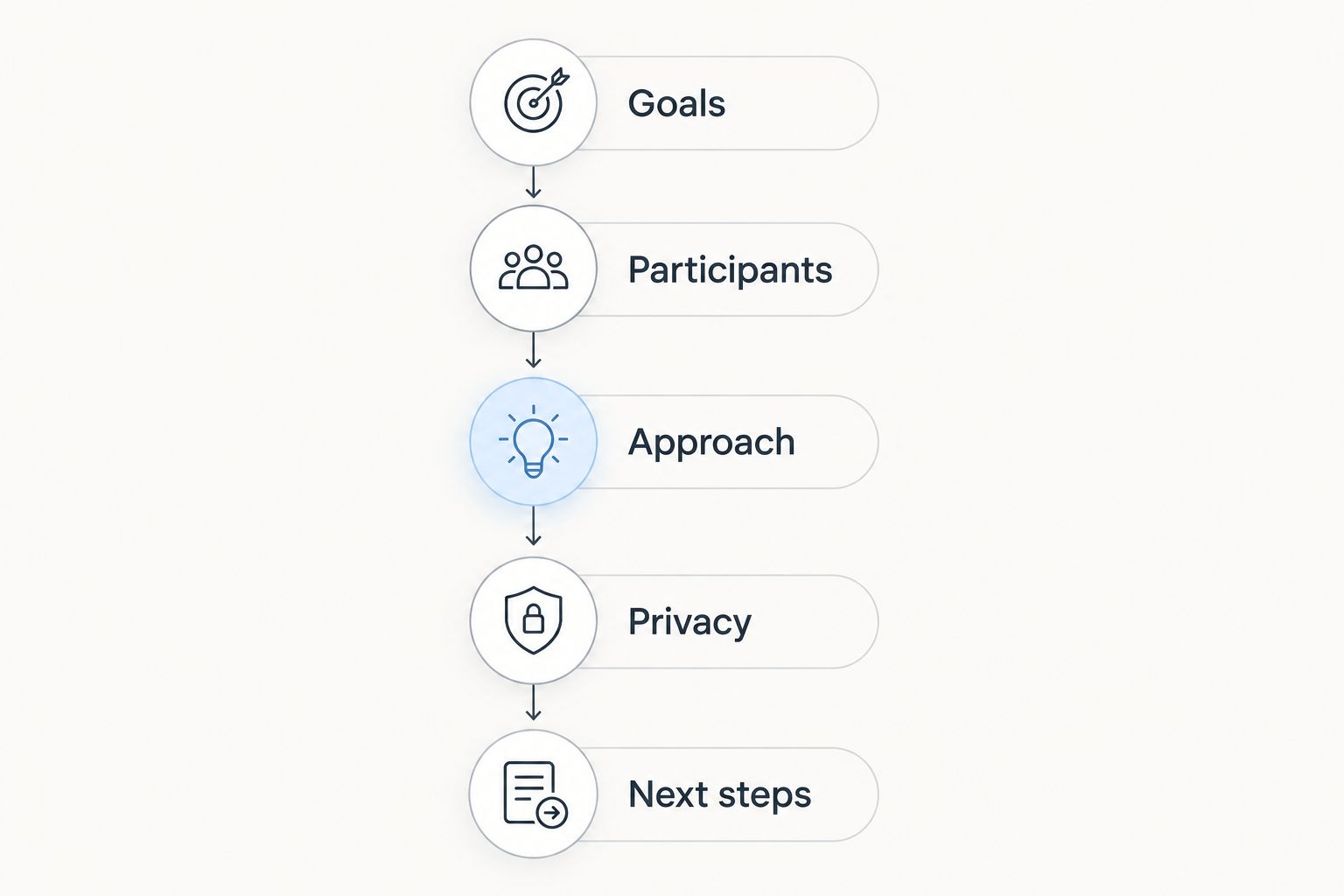
Use this sequence for your 2026 search:
- Goals: Write down 3 goals in everyday language, such as fewer escalating arguments, clearer expectations, and better communication.
- Participants: Identify whose involvement is necessary and who needs a separate conversation first.
- Approach: Ask how the clinician would address those goals and assess progress.
- Privacy: Clarify confidentiality, consent, and information sharing before sessions begin.
- Next steps: Ask what the initial assessment involves and how the participation plan is decided.
The sequence helps you compare answers without pretending every family needs the same treatment. Keep the focus on what the clinician recommends for your situation and why.
An initial appointment is an assessment opportunity, not a commitment to one format forever. Ask when the therapist will revisit the plan if participation changes or a different concern becomes central.
FAQ
Who are the best family therapists in Charlotte NC for my family?
The best fit is a clinician whose training, age experience, and treatment approach match your family’s concerns. Counselingcharlotte offers family counseling in the Charlotte area; discuss individual clinician fit before choosing.
Is family therapy better than couples therapy?
Neither is better for every situation. Family therapy addresses relationships across participating family members, while couples therapy focuses on the partners’ relationship.
Should my child attend the first family therapy session?
Ask the therapist who should attend the initial assessment. Participation should reflect the child’s age, the concerns being discussed, and whether separate conversations are needed.
Can a teenager have private therapy and family sessions?
A treatment plan can include individual teen sessions and planned family involvement. Ask how consent, confidentiality, caregiver communication, and safety responsibilities will be handled.
Is virtual family counseling the same as in-person counseling?
Virtual and in-person counseling use different meeting formats. Ask whether your household can participate privately and whether the clinician recommends the format for your treatment goals.
What should I ask before choosing a family therapist?
Ask about family-therapy training, experience with your family’s age groups, treatment goals, and participation. Also clarify confidentiality and how the clinician assesses whether joint sessions are appropriate.
Can family therapy help when someone has OCD or anxiety?
Family involvement can be part of a treatment plan for OCD or anxiety. Ask how family sessions will connect with condition-specific assessment and treatment rather than assuming they replace it.
One last thing
The people who attend a session are part of the treatment decision. Bringing everyone together is not automatically the right first step, and starting separately does not rule out family work later.
For your 2026 search, look for a therapist who explains that decision clearly. You should understand why each person is involved, what the session is meant to address, and when the plan will be reviewed.


