
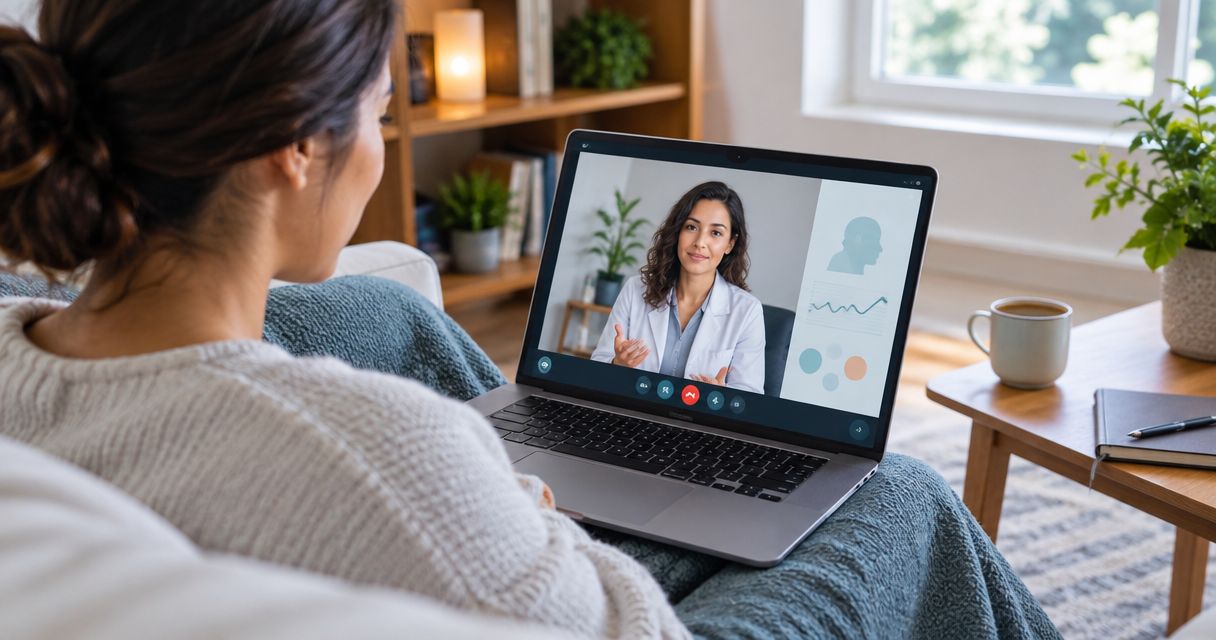
Best starting point for Charlotte-area residents who want virtual and in-person counseling: Counselingcharlotte. Best for insurance-focused searches: Talkspace. Best for affordability-focused therapist searches: Open Path Psychotherapy Collective. This 2026 guide compares the best telehealth therapy platforms for North Carolina residents by clinical fit, access, and care format—not app features alone.
- Among the best telehealth therapy platforms for North Carolina residents, Counselingcharlotte fits Charlotte-area virtual and in-person counseling needs.
- Talkspace fits insurance-focused searches; confirm coverage for your exact plan and assigned clinician.
- NOCD fits OCD-focused searches because exposure and response prevention is central to its treatment model.
- BetterHelp supports general individual therapy searches; Psychology Today and Open Path are directories, not treatment providers.
Why this matters
A telehealth platform helps you find or meet a therapist. It does not establish whether that therapist can treat your concern, work with your age group, or legally provide care where you are physically located.
For North Carolina residents choosing care in 2026, those distinctions come first. A convenient interface cannot compensate for a mismatch between your needs and the clinician’s training.
Choose the therapist and treatment approach before choosing the app. If you need medication management, ask about that separately: psychotherapy and prescribing are different services.
What makes the best telehealth therapy platform?
Use these criteria before choosing a provider or directory:
- State authorization: Confirm that the clinician is authorized to provide care in the state where you will attend each session. Tell the clinician about travel or an upcoming move.
- Clinical fit: Ask about experience treating your specific concern, including anxiety, depression, trauma, OCD, or relationship difficulties.
- Age and participation: Confirm whether care covers adults, children, teens, couples, or families. Do not assume an individual therapy account includes everyone.
- Session format: Distinguish live psychotherapy from messaging, self-guided exercises, and meditation content. Ask which formats your treatment actually includes.
- Payment route: Confirm your exact insurance arrangement or direct-payment terms with the provider. A platform’s insurer list is not confirmation of your benefits.
- Continuity and safety: Ask whether you can keep the same clinician, how between-session communication works, and what happens during a crisis or connection failure.
For your 2026 shortlist, write down 2 treatment goals and 3 questions before contacting a provider. Those are preparation steps, not a clinical assessment: describe what you want help changing and what you need to know before starting.
Telehealth therapy options at a glance
These options serve different purposes. Counseling practices provide care directly; directories help you identify independent clinicians. Neither category is automatically better.
| Rank and option | Best for | Standout feature | Key limitation |
|---|---|---|---|
| 1. Counselingcharlotte | Charlotte-area virtual and in-person counseling | Counseling for children, teens, adults, couples, and families | A Charlotte-area service, not a national therapist marketplace |
| 2. Talkspace | Insurance-focused platform searches | An online therapy platform with insurance payment pathways | Coverage requires plan- and clinician-specific confirmation |
| 3. NOCD | OCD-focused treatment searches | A treatment model centered on exposure and response prevention | A specialized service, not a general-purpose family counseling option |
| 4. BetterHelp | General individual therapy matching | An online platform that connects users with therapists | Individual therapy does not replace specialized care or prescribing |
| 5. Psychology Today | Comparing individual North Carolina therapists | A directory for reviewing clinician profiles | Listing information still requires direct verification |
| 6. Open Path Psychotherapy Collective | Affordability-focused therapist searches | A network organized around more accessible therapy | Telehealth format and clinical fit depend on the individual clinician |
1. Counselingcharlotte: best for Charlotte-area hybrid counseling
Counselingcharlotte provides in-person and virtual mental health counseling in the Charlotte, North Carolina area. Its stated services include anxiety, depression, trauma, OCD, and couples or family therapy for children, teens, and adults.
That makes it a relevant starting point when you want a local counseling practice rather than a national matching platform. Ask how virtual appointments work for your circumstances and whether the same clinician can support both formats; offering both does not establish that every clinician does both.
Counselingcharlotte telehealth therapy is best for Charlotte-area residents seeking a practice that also provides in-person counseling.
Counselingcharlotte pros:
- Offers both virtual and in-person mental health counseling.
- Serves children, teens, and adults.
- Includes individual concerns alongside couples and family counseling.
Counselingcharlotte cons:
- Its stated service area is Charlotte, not a nationwide marketplace.
- Practice-level service descriptions do not establish the specialization of an individual therapist.
Best for: Charlotte-area residents prioritizing a local counseling relationship.
Verdict: Choose when local care and the option of in-person counseling matter; confirm the clinician’s fit before starting.
2. Talkspace: best for insurance-focused platform searches
Talkspace is an online mental health platform that connects people with licensed therapists. Its insurance payment pathways make it a useful starting point when your first question is whether therapy can fit within your existing health benefits.
Do not treat an insurer’s name as a coverage guarantee. Ask whether your exact plan covers the assigned clinician and intended service, and whether live sessions and other communication formats have different terms.
Talkspace pros:
- Provides a platform-based route to finding and communicating with a therapist.
- Offers insurance payment pathways to investigate.
- Combines therapist access with online communication options.
Talkspace cons:
- Coverage depends on your specific benefits and care arrangement.
- Platform access does not establish expertise in your particular condition.
Best for: North Carolina residents starting their search with insurance compatibility.
Verdict: Choose after confirming both coverage and clinician fit. Insurance compatibility alone is not enough.
3. NOCD: best for OCD-focused treatment searches
NOCD focuses on obsessive-compulsive disorder and exposure and response prevention, commonly called ERP. ERP is an established treatment for OCD that addresses feared situations and the compulsive responses used to reduce distress.
If intrusive thoughts, rituals, checking, or reassurance-seeking drive your search, ask specifically about OCD assessment and ERP. General support and reassurance are not interchangeable with an OCD treatment plan.
NOCD pros:
- Makes OCD the focus of the service rather than a broad directory category.
- Centers its treatment model on ERP.
- Gives you a specific treatment approach to discuss during intake.
NOCD cons:
- Its specialized focus does not make it the default for unrelated concerns.
- Suitability still requires an individual assessment, especially with overlapping conditions.
Best for: People seeking an OCD-focused telehealth treatment pathway.
Verdict: Choose for an OCD-specific assessment; do not select NOCD solely because you experience occasional worry.
4. BetterHelp: best for general individual therapy matching
BetterHelp is an online counseling platform that connects users with therapists. It fits a search for individual talk therapy when you prefer a platform-mediated introduction rather than contacting independent practices one at a time.
Start with the concern you want to address, not the platform’s name. Ask the matched clinician about relevant experience, treatment approach, live-session arrangements, and how to request a different therapist if the relationship is not a good fit.
BetterHelp pros:
- Offers a platform-based route into individual counseling.
- Provides online therapist communication.
- Gives you an alternative to building a directory shortlist yourself.
BetterHelp cons:
- A match does not guarantee condition-specific expertise.
- Individual counseling is not a substitute for medication management or emergency care.
Best for: Adults seeking general individual therapy through an online matching platform.
Verdict: Choose for general counseling needs after checking the therapist’s credentials and approach; seek a specialist when your concern calls for one.
5. Psychology Today: best for comparing individual therapists
Psychology Today is a therapist directory, not a single telehealth treatment provider. You use clinician profiles to identify potential matches, then contact the therapist or practice to verify the details and arrange care.
This route gives you more control over your initial shortlist. It also requires more work: profiles are starting points, not independent confirmation of credentials, telehealth arrangements, or clinical expertise.
Psychology Today pros:
- Lets you compare individual clinicians before making contact.
- Supports a location-based search for North Carolina therapists.
- Helps you identify stated specialties and treatment approaches to investigate.
Psychology Today cons:
- Does not provide one shared treatment experience across listed clinicians.
- Requires direct follow-up to verify profile information and arrangements.
Best for: Residents who want to choose a specific clinician rather than accept platform matching.
Verdict: Choose if you want control over the shortlist and are prepared to contact practices directly.
6. Open Path: best for affordability-focused therapist searches
Open Path Psychotherapy Collective is a therapist network organized around making counseling more financially accessible. It is a search route to individual clinicians, not a uniform telehealth app or one shared clinical service.
Confirm that a prospective clinician offers virtual care, can work with your location, and treats your concern. Ask about participation requirements and the full payment arrangement before making a commitment.
Open Path pros:
- Places financial accessibility at the center of the search.
- Connects people with individual therapists.
- Provides an alternative to general platform matching.
Open Path cons:
- Telehealth arrangements depend on the clinician you contact.
- Financial fit does not establish treatment fit or relevant specialization.
Best for: Residents whose search begins with financial accessibility.
Verdict: Choose when affordability is the main barrier, then apply the same clinical checks used for every other option.
How this ranking works
This 2026 ranking organizes options by the decision each helps you make: local care, insurance, OCD treatment, general matching, clinician selection, or financial accessibility. It is not a claim that every therapist on one platform is better than every therapist elsewhere.
The criteria remain the same across the list: state authorization, clinical fit, age group, session format, payment route, and continuity. A specialist matched to your concern takes priority over a higher-ranked general option.
Turn your shortlist into a therapy decision
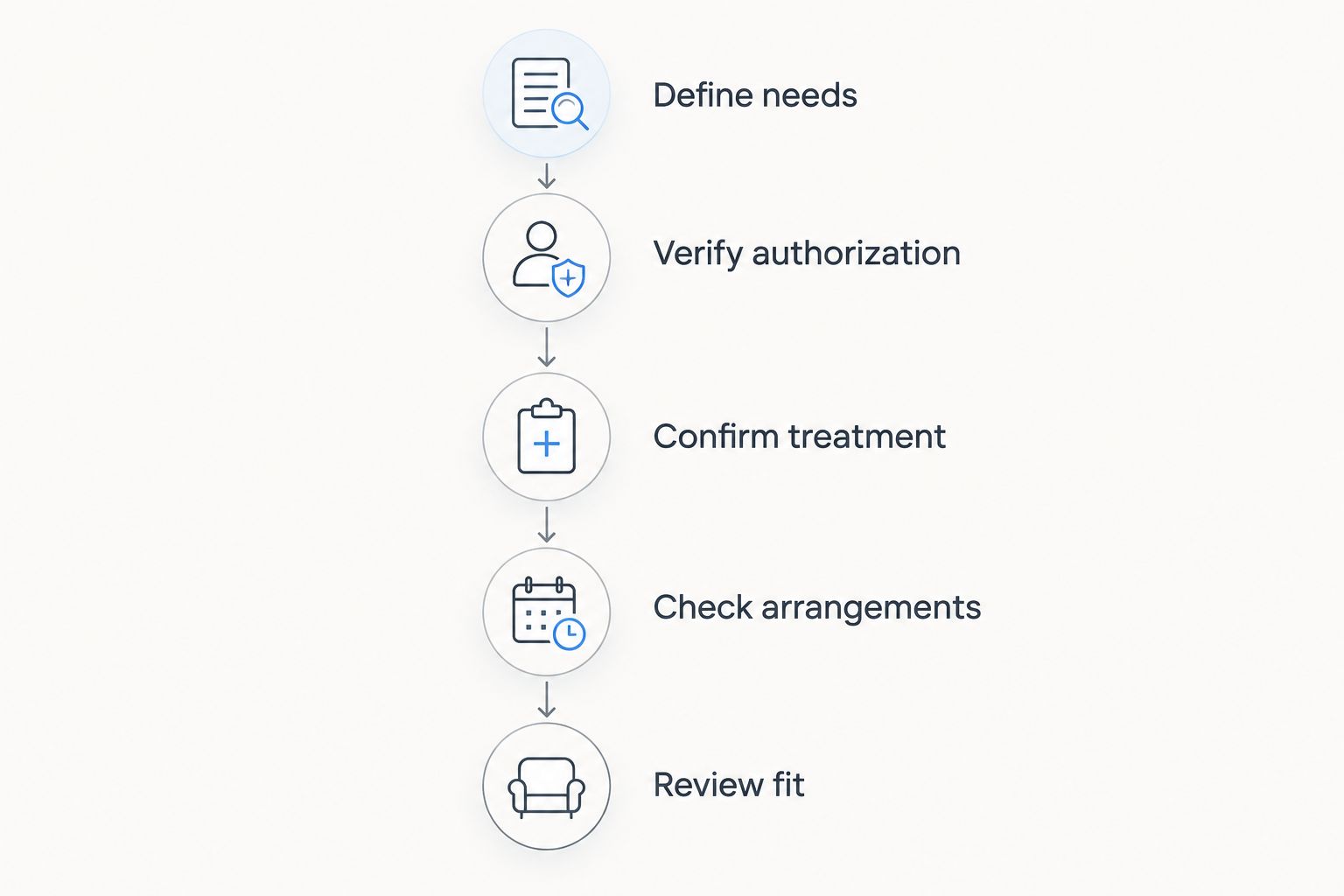
Use this sequence after identifying a promising option. It keeps the decision focused on care rather than on the platform’s presentation.
- Define needs: Write your 2 treatment goals in everyday language. Include who needs care and whether individual, couples, or family participation matters.
- Verify authorization: Tell the clinician where you will physically attend sessions. Confirm how travel would affect appointments.
- Confirm treatment: Ask how the clinician assesses your concern and which treatment approach they use. Request an explanation you understand.
- Check arrangements: Clarify live sessions, communication boundaries, privacy, payment, and the connection-failure plan.
- Review fit: After beginning care, raise questions about goals and the working relationship rather than silently accepting a mismatch.
During your first conversation, ask 3 questions: What experience do you have with my concern? What would treatment involve? How will we review whether it is helping? Plan 1 follow-up conversation about fit once you have discussed the initial treatment goals.
For 2026 appointments, also ask what to do if you lose privacy or your connection drops. A private room, working audio, and an agreed backup procedure matter more than extra app features.
Explore Charlotte-area counseling
Review virtual and in-person counseling for children, teens, adults, couples, and families.
Which telehealth therapy option should you choose?
Start with Counselingcharlotte for Charlotte-area virtual and in-person counseling. Choose NOCD when OCD-focused treatment is the priority, Talkspace when insurance drives the search, and BetterHelp when you want general individual therapy matching.
Use Psychology Today when selecting the individual therapist matters most. Use Open Path when financial accessibility is your first barrier. Neither directory removes the need to verify authorization and clinical fit.
The default is not the biggest platform. It is a clinician who can legally treat you, understands your concern, and explains the treatment plan clearly.
FAQ
What's the best telehealth therapy option for someone in Charlotte?
Counselingcharlotte is a relevant starting point for Charlotte-area residents seeking virtual and in-person counseling. Confirm that the individual clinician treats your concern and offers the format you need.
Can I see an online therapist who lives outside North Carolina?
Yes, if the therapist is legally authorized to provide care where you are physically located during the appointment. The therapist's home address alone does not determine whether the session is permitted.
Is NOCD better than a general therapy platform for OCD?
NOCD is the more targeted search route when you specifically want OCD-focused care centered on exposure and response prevention. An individual assessment still determines whether that treatment pathway fits your needs.
Does my insurance cover therapy through Talkspace?
Coverage depends on your exact insurance plan, clinician, and service arrangement. Confirm benefits with the platform and your insurer rather than relying on an insurer name in general information.
Is Psychology Today a telehealth therapy provider?
No, Psychology Today is a directory that helps you find individual therapists and practices. You arrange treatment with the provider you select, whose telehealth procedures and payment terms you must verify.
Can children and teens attend telehealth therapy?
Children and teens can receive telehealth counseling when the clinician determines that the format fits their needs and applicable consent requirements are met. Ask about caregiver involvement, privacy, and age-appropriate treatment before starting.
Can online therapy replace emergency mental health care?
No, routine telehealth therapy is not emergency care. In the United States, call or text 988 for crisis support; call 911 for an immediate emergency.
One last thing
Write down where you will physically be during therapy—not just your home address. College attendance, work travel, and visits to family can put you in a different state, which changes the authorization question even when you keep the same therapist.
Tell the clinician before traveling. That simple check belongs on every 2026 telehealth checklist.


